Bob Ramsay

Born in Edmonton. Educated at Princeton and Harvard. Speechwriter. Book editor. Copywriter. Communications strategist. Presentation trainer. Marathoner. Explorer of the world's distant places. Travel writer. Op-ed page writer. Fund-raiser. Board member. Speaker series host. Arts addict. And of course, relentless enthusiast.

OZEMPIC FOR ALL.

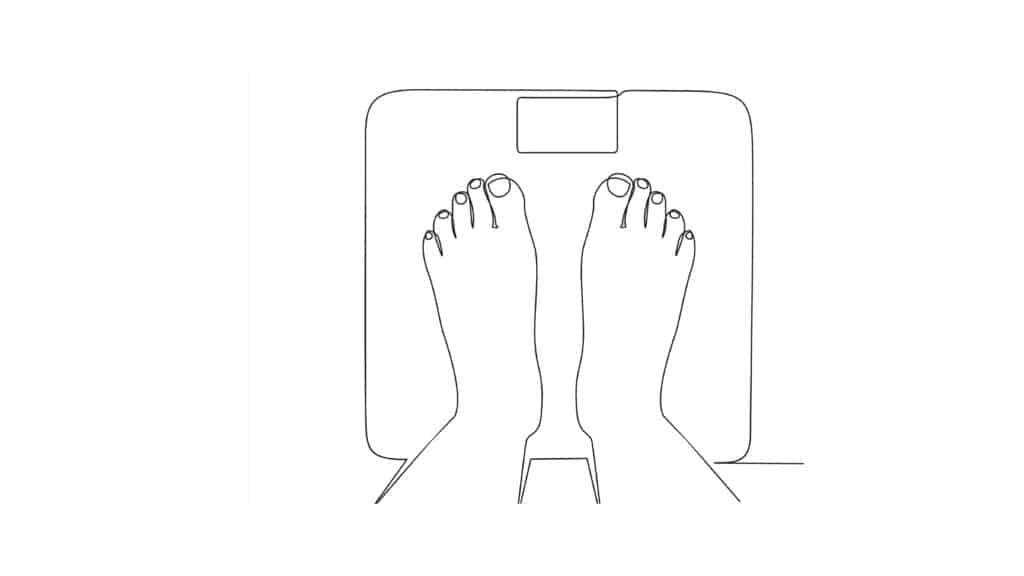
The word “Ozempic” first entered the language in 2018 when it was approved as a diabetes inhibitor. That same year, in what has to be the world’s biggest ‘off-label’ transference since the heart-disease drug Viagra became a multi-billion-dollar erectile dysfunction drug, Novo Nordisk started selling Ozempic as a weight-loss drug for very obese people.

Then in 2023, Ozempic and its fellow “GLP-1” drugs were shown to prevent strokes and heart attacks.

The next year, it made a claim to reduce kidney disease.

This year, it showed promising results in reducing the effects of Parkinson’s, as well as alcoholism and addiction, and to reduce obesity-related cancers as well.

My physician wife often says that the more unrelated diseases a drug claims to cure, the more it looks like snake oil. In the case of Ozempic, she’d be happy to be wrong. It really does look to be a universal solvent, curing most everything it touches. True, it’s so new that there hasn’t been time to understand its long-term effects. Maybe it will be the next thalidomide whose crippling effects revealed themselves not in its patients, but in their children.

Read on…

OZEMPIC FOR ALL. Read More »

TRUE NORTH STRONG AND EXPENSIVE.

Yachting, polo, squash and fencing are what I call upper class sports. You need a lot of money, or go to prep school with it, in order to play or want to even watch.

But two sports that used to be proudly middle class are in danger of being played and watched mainly by rich people. It’s worse that hockey and skiing are the very sports Canadians love and excel at – and are at the heart of being Canadian.

But the news last week that the cost for a family of four to go to a Toronto Maple Leafs game will be $1,000 this season sparked protests from thousands of fans who resent the20%+ jump in season ticket prices in a city that’s already the most expensive in the world to watch pro hockey. The Leafs are a unique subset of what economists call a Giffen Good, a product or service whose demand increases as its price rises. Because the Leaf’s home ice attendance averages 99.8%, with occasional rises to 105%, and has for decades now, they are not just immune to the laws of supply and demand, but to the idea that a better product will draw a bigger audience.

Read on…

TRUE NORTH STRONG AND EXPENSIVE. Read More »

TRAVEL IS COSTLY, RISKY, TIRING, CROWDED AND GROWING FASTER THAN EVER.

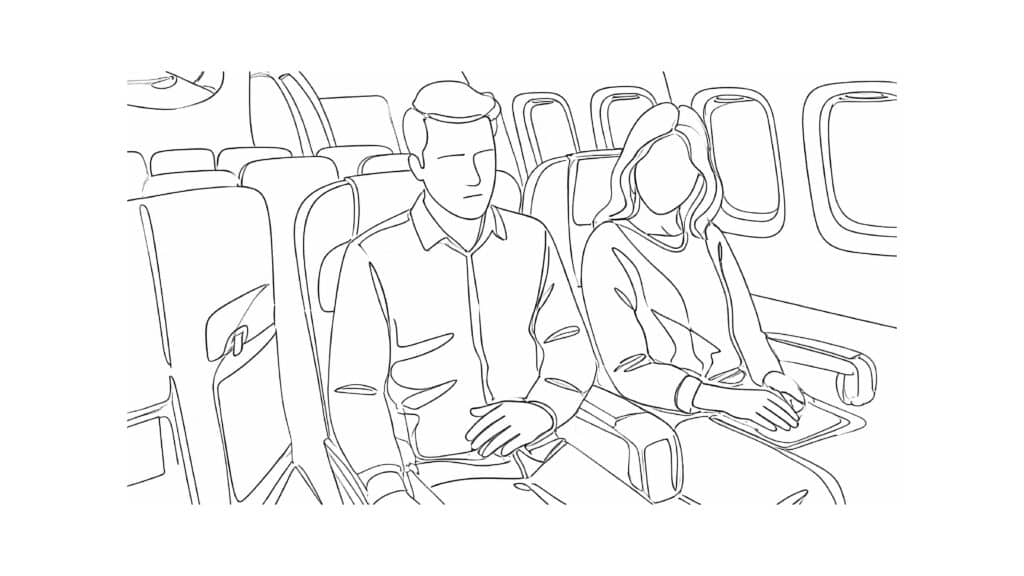
Which begs the question: why do we travel anyway?

Because we’re curious, of course, about places and things, but most of all, about people. Boy, do people ever want to know about other people. I once ran into an Arctic Sámi in Sweden who looked like a member of the Oxford Rowing Team. And then there was the food guide who gave us a Marxist tour of Mexico City…But I digress.

It seems we can’t get enough of other people, and the more exotic and oddly-behaved, the better. Or rather, we couldn’t until recently when, like Sartre disclaiming that “hell is other people,” our curiosity about them has turned into a rash.

Americans? Feh.

Airport security people? Don’t get me started.

Musty cathedrals? Never liked them anyway.

Read on…

TRAVEL IS COSTLY, RISKY, TIRING, CROWDED AND GROWING FASTER THAN EVER. Read More »

“I’D LIKE TO APOLOGIZE…”

Jan Morris once said that Canadians could drown in niceness.

We are notorious for being polite, a view borne out by countless polls that confirm “We’re Number 1” when it comes to helping someone else actually be Number 1. When others say “Good morning” or “Hello”, we will happily say, “I’m sorry.” Indeed, so endemic is this quality that it’s spreading to citizens of other nations, and to a large sub-group of Canadians.

Donald Trump is responsible for the former, and the ideal of truth and reconciliation for the latter.

In 2003, Jean and I joined a group of 75 hikers from around the world to hike New Zealand’s Milford Track. The night before we set out, the organizers asked us all to divide up into groups of the country we were from and sing a favourite national song to the others. Ugh.

Read on…

“I’D LIKE TO APOLOGIZE…” Read More »

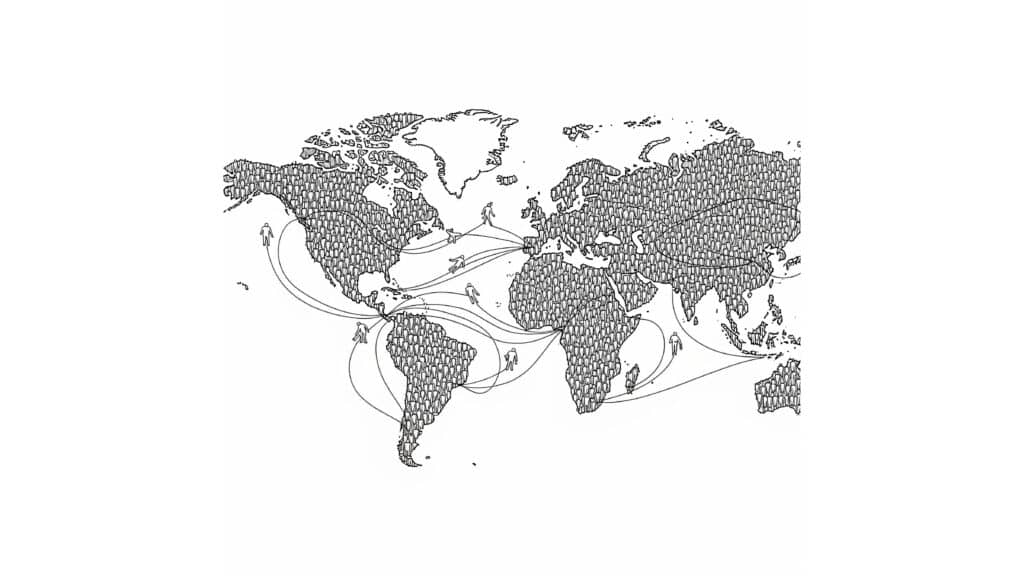
ALL THE LONELY PEOPLE. WHERE DO WE ALL COME FROM?

In 2008 Switzerland passed a law that made owning one guinea pig illegal.

Today, pet stores in Zurich won’t sell you a single guinea pig unless you can prove you already have at least one at home. It seems guinea pigs are highly social creatures who get depressed when they’re alone. So what if one of your two guinea pigs dies, leaving the other to grieve their mate on their own? You can rent a guinea pig until you’ve had a chance to vet and buy a new mate for your existing one.

Read on…

ALL THE LONELY PEOPLE. WHERE DO WE ALL COME FROM? Read More »

SOME CORNER OF A FOREIGN FIELD.

Rich people give their millions to charities for as many reasons as there are rich people. The fight for love and glory is surely the biggest. Some big givers are also grateful patients or students of their alma maters. Some want to plump their city; others, boost their profession, their grandkids’ sports team, their nation’s military.

Canada’s 1% have not been as generous or as loud as America’s in supporting our charities. But this year, when Canada’s elbows are way up, that might change. Especially for causes that promote Canadian excellence on the world stage, like Own the Podium and the Canada Gairdner Awards.

But it’s also time to think of those Canadians who are promoting our country abroad, sending big signals in foreign lands about our values, our standards and our staying power.

Read on…

SOME CORNER OF A FOREIGN FIELD. Read More »

RUGBY IN VEGAS, TOUR DE FRANCE IN SCOTLAND.

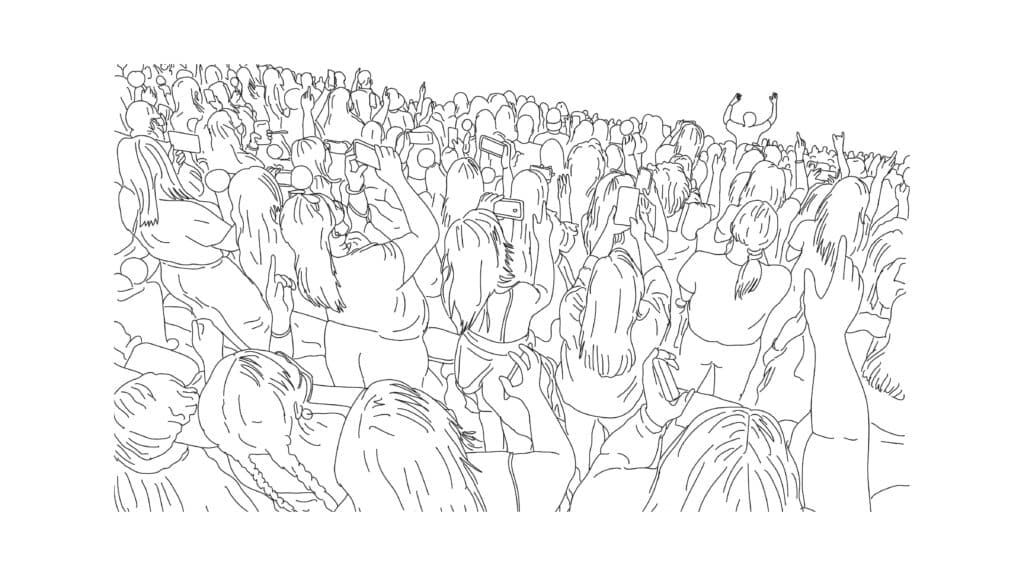
Sports tourism used to mean spending a week in Dunedin watching the Jays in spring training, or running the Berlin marathon with a gang from the Beaches Running Club, or going to New York to watch the US Open, or across to Jersey for the Super Bowl. No more.

The days of flying somewhere to see your favourite team have morphed into your favourite team flying somewhere to see you. This spring, The Wigan Warriors played theWarrington Wolves, two Northern England towns just 18 km apart, to a packed Allegiant Stadium in Las Vegas, among them 15,000 British rugby fans who didn’t have to fly 8,400 kilometres or spend thousands of US dollars each to see a rugby match, but did.

Read on…

RUGBY IN VEGAS, TOUR DE FRANCE IN SCOTLAND. Read More »

HOW TO USE AI.

If you read about AI and turn the page, thinking it’s not for you, or you’re too old to learn now, or technology and you never got along, or you use AI to do research or write papers, and stop there, you need to keep going. You must.

Because last week I used AI to plan a trip to Japan next year.

What I got back will not only change how Jean and I travel, but change how most everyone will travel. And travel itself, which is one of the world’s largest economic sectors, is a teensy thimbleful of what AI is already changing.

Read on…

HOW TO USE AI. Read More »

THE DECLINE AND FALL OF BOYS.

Millions of girls were once aborted for being girls. But now, the stunning decline in having boys reflects their sharp fall in value to their families, their economies and the world.

Last week, The Economist reported on this sudden reversal of fortune.

“Globally, among babies born in 2000, a staggering 1.6 million girls were missing from the number you would expect, given the natural sex ratio at birth. This year that number is likely to be 200,000—and it is still falling.”

Read on…

THE DECLINE AND FALL OF BOYS. Read More »

YET ANOTHER EXISTENTIAL THREAT.

When I was a kid, the big fear, aside from a nuclear attack from the Soviet Union, was too many people. The world’s population in 1960 was 3 billion, with predictions it would grow exponentially, until the earth collapsed from too many people living on its surface. Billions would starve or die of thirst.

That isn’t happening. In fact, the opposite is happening: the world is facing a catastrophic decline in population.

There may be more than 8 billion people alive today, but within just two generations, it’s predicted that the population will start to decline.

Read on…

YET ANOTHER EXISTENTIAL THREAT. Read More »

UNDERTOURISM.

This week thousands of Canary Islanders marched against the 18 million tourists who visit the tiny Spanish island chain each year.

One marcher said, “We’re not against tourism. But the current model is predatory.” The Spanish government also removed 60,000 Airbnb listings across the country and by 2028 Barcelona will ban Airbnb completely.

Oh…and Amsterdam has banned the construction of new hotels, except to replace closed ones, and Florence has banned key boxes and guides with loudspeakers. Athens has limited visits to the Acropolis to 20,000 a day.

Read on…

UNDERTOURISM. Read More »

A WALK IN THE PARK.

Even in the 1970s if you drove 10 minutes outside any Canadian city, you would be in the bush, or on a country road. But today, such is the hold of Canada as a vast wilderness nation that for 99% of our 40 million people who don’t live in the wild, we feel its mythical tug.

Sadly the majority of the seven million people who live in the Greater Toronto Area (which is bigger than the Greater Chicago Area) will have little to no chance to ever see or experience the wilderness.

Read on…

A WALK IN THE PARK. Read More »

Sign Up for Updates!

Get news from Ramsay Inc. in your inbox.

Name(Required)
Email Lists
Email Lists(Required)