RamsayWrites

The Best of Healthcare. The Worst of Healthcare.

There are two health-care systems in Canada. Not just the public and private ones. But the Toronto system and the…well, let’s call it The Rest of Canada system.

If you happen to live in the Greater Toronto Area, the 6.2 million of you are luckier than the other 31.8 million Canadians who don’t.

Got cancer? Get treated at Princess Margaret Cancer Centre, one of the Top 10 oncology centres in the world.

Heart disease? The Peter Munk Cardiac Centre, one of the top heart hospitals in the world. 

If you’re a sick child, or their parent, take them to Sick Kids, the best children’s hospital anywhere.

Need physical rehab? There’s the  Toronto Rehabilitation Institute whose research arm is also the best in the world.

The Best of Healthcare. The Worst of Healthcare. Read More »

There’s No Denial Like Systemic Denial

We now know that systemic racism is largely unconscious because it’s baked into our culture. It took the remains of hundreds of Indigenous and Inuit children to make Canada understand its own systemic racism, and in the US, the death of George Floyd changed how we view race by reminding us of so many other Black men and women who have died at the hands of police.

But these deaths, by craven indifference in the case of Canada’s children, and by craven involvement in the case of America’s Black people, also exemplify the power of systemic denial.

There’s No Denial Like Systemic Denial Read More »

Fall Line or Fault Line?

Autumn officially landed three weeks ago on September 22.

But September was one of the two bonus months (along with May) we were blessed to call summer this year in Ontario.

But if you feel sad because our five-month-long summer is now officially gone, spare a thought for those people who are starting to feel SAD. They have Seasonal Affective Disorder. As this Mayo clinic paper notes, SAD doesn’t make people sadder in the dead of winter. Their depression starts in the Fall, i.e. now. So, in this, Year Two of the pandemic, when 70% of Torontonians say we are anxious, think about who you’ll talk to about being seasonally sad.

But before you do, here are this weekend’s tidbits:

Fall Line or Fault Line? Read More »

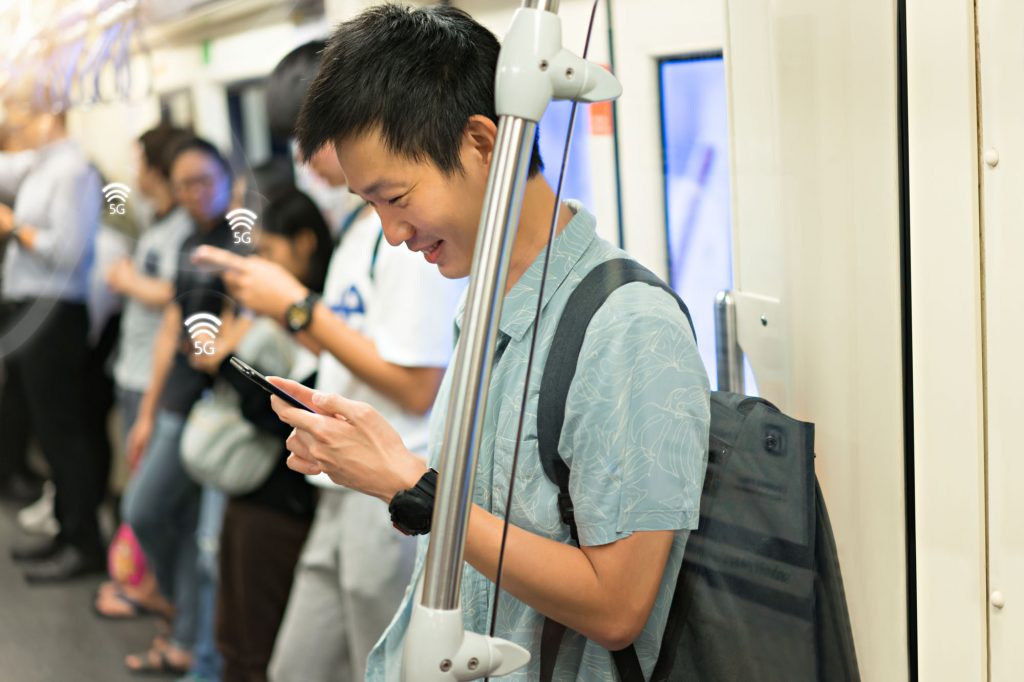
Why no WiFi on the subway?

Toronto regularly makes it onto the lists of the world’s great cities (as in ‘great to live in’). But the world’s safest cities? I doubt that, if by “safe” you mean resilience around the pandemic, in addition to things like personal security, clean air and water, traffic, modern infrastructure, and digital life.

But, as often happens, I am wrong. Last week, the Economist Intelligence Unit released its 2021 Safe Cities Index. It ranked 60 cities across 76 safety indicators. Toronto not only finished in the Top 5, it is Number 2, next only to Copenhagen.

This got me thinking that maybe Torontonians suffer from a kind of reverse NIMBY, i.e. we think we’re dreadful until we compare ourselves to places we envy, only to discover they’re worse. Like Churchill’s definition of democracy as the worst form of government, except for all the others.


Why no WiFi on the subway? Read More »

Depression: The Good, the Better and the Ugly

I was checking my Instagram feed one night three years ago when I scrolled past this post: “Where has my beautiful love gone? It’s been a mere week and the pain feels like it’s lasted a millennia.”

These were the first words of a friend announcing that her husband had died suddenly. His death shocked me no less than the announcement of it on social media. I was slow in viewing Instagram as the place to reveal great tragedies as well as luscious dinners and stunning sunsets.

Depression: The Good, the Better and the Ugly Read More »

Amusing Themselves to Death

So many people are dying of COVID in Alberta’s ICU wards that their passing is creating room for new patients. That’s the only good news coming out of what many have called its disastrous response to the pandemic, and which is actually ruinous.

In fact, doctors are now triaging COVID patients, making on-the-spot decisions as to who gets a ventilator and who doesn’t, and dies. Some of those choices will be made about children, age 5 to 11, who make up the fastest growing group of COVID patients. As one doctor said concerning these kids: “The curve is almost vertical.”

Amusing Themselves to Death Read More »

Sign Up for Updates!

Get news from Ramsay Inc. in your inbox.

Name(Required)
Email Lists
Email Lists(Required)